
Wall Art Ideas to Elevate Your Home Decor
Wall art is much more than decoration – it’s the finishing touch that brings harmony and personality to a room. A well-chosen painting, print, or sculpture can transform blank walls into focal points, instantly setting a mood and tying together a room’s color scheme. In interior design, every room needs a focal point, and wall art is ideal for this role. The right artwork adds color, texture, and interest; it balances or enlivens a neutral space and reflects the homeowner’s tastes and experiences . Wall art also helps “complete” a room – leaving empty, unadorned walls can make a space feel unfinished, whereas art adds that polished, lived-in look . In short, art rounds off the design by reinforcing style and mood (whether calming or vibrant) while making the space feel more personal.
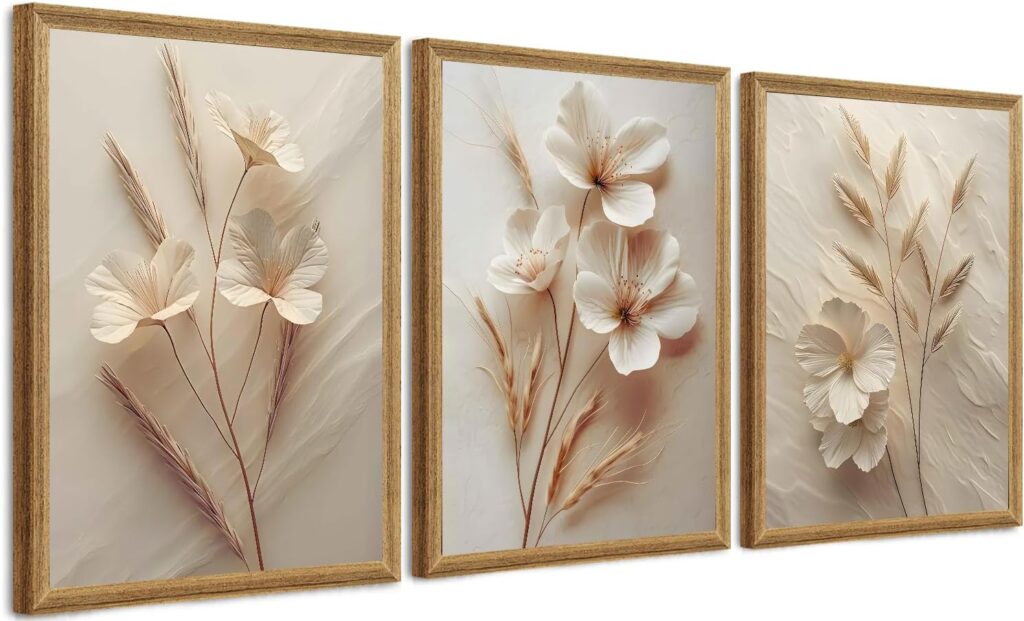
Types of Wall Art
Home wall art comes in many forms, each with its own look and feel. Popular options include:
- Paintings (original art) – Oil, acrylic, or watercolor paintings on canvas or panel. Originals bring rich texture and one-of-a-kind character. A painted canvas can be abstract, figurative, or anything in between. Quality originals tend to be more expensive, but they give depth and luxury to a room.
- Prints & Posters – Affordable reproductions of artwork or photographs. These include giclée canvas prints, framed art prints, posters, or mass-produced canvases. Prints allow you to easily match specific styles (mid-century, abstract, botanical, etc.) and swap looks without a big investment. They can mimic paintings or photography.
- Photographs – Artful photography (black-and-white cityscapes, nature scenes, lifestyle shots, etc.) adds visual interest and personal meaning (e.g. travel photos). A large photographic canvas or a series of framed photos can create a modern gallery vibe.
- Sculptural / 3D Art – Three-dimensional wall décor like metal wall sculptures, carved wood panels, ceramic wall hangings, or fabric reliefs. These pieces project off the wall, adding texture and depth. For example, a woven macramé wall hanging or a geometric wooden panel gives a tactile element that flat art can’t.
- Tapestries and Fiber Art – Woven tapestries, tapestry-printed canvas, or macramé art introduce soft texture and pattern. A large textile piece can serve as a focal tapestry (often in bohemian or rustic decor) or add warmth in a minimalist room.
- Wall Decals / Murals – Vinyl wall stickers, decals, or wallpaper murals offer a quick, renter-friendly update. They peel on and off, so you can try bold graphics, quotes, or patterns without paint. Decals work well in kids’ rooms or as accent features.
- Digital Art – Digital prints created with software, including computer-generated designs or NFT art (displayed via screen or print). Digital frames and screen-mounted art are becoming popular. With a digital display, you can rotate through artwork or have dynamic, changing images.
- Mixed Media – Art that combines materials (e.g. a painting with added wood or metal elements). These often appear on gallery walls to add variety.
“The main types of wall art include traditional paintings, three-dimensional art, prints, photographs, and mixed media pieces”. In practice, that list is broad: it covers canvas oils, framed posters, photo prints, metal or wood sculpture, woven panels, and more. One design guide even lists wall murals, metal/wood sculptures, and tapestries among popular categories. Choosing between them depends on your style, budget, and the room’s needs.
Style-Specific Wall Art Ideas
Wall art should complement your home’s overall decor style. Here are tips for fitting art into popular design themes:
- Modern & Contemporary For a modern interior, choose bold, graphic artwork. Think large abstract paintings with geometric shapes or fluid compositions in striking colors (or high-contrast black-and-white). Canvas prints in cubist, abstract expressionist, or minimalist graphic styles work well. Metal or mirrored frames and acrylic accents can add a sleek touch. Large photo prints (cityscapes, architectural shots) with clean lines also suit a contemporary setting. The key is to pick art that feels design-forward and uncluttered, often with an artistic or abstract feel.
- Minimalist (Scandinavian) Minimalist and Scandinavian interiors favor simple, subdued art. Choose pieces with clean lines, limited color palettes, and lots of negative space. A pair of framed abstracts in soft neutrals (beige, gray, muted green) or a single brushstroke artwork can elevate a minimalist room. Scandinavian-inspired art often incorporates natural elements and muted tones – for example, geometric line drawings of mountains, or simple botanical prints in black-and-white or gentle hues. The art should “feel calm and uncluttered,” mirroring the serene vibe of the space. In fact, a survey found that 74% of designers cited minimalist art as a top choice for modern homes, since it provides sophistication without overwhelming other decor.
Bohemian (Boho)
Bohemian (Boho)
Bohemian style embraces vibrant, eclectic art with organic textures and patterns. Think wall hangings that celebrate nature, culture, and travel. Common motifs include lush tropical or desert landscapes, exotic animals, or abstract shapes in earthy tones. Tapestries, macramé, and woven wall hangings are classic boho elements. Warm colors (burnt orange, deep teal, mustard) and intricate patterns (mandalas, tribal prints) add the free-spirited feel.
Boho wall art “incorporates an intoxicating mix of cultures, colors, shapes, and textures”. It is often big and bold, not afraid of mixing clashing elements. For example, a gallery wall might include a colorful abstract canvas, a wooden carved panel, and a hanging woven basket all together. Natural materials are common: a piece of driftwood with hanging feathers, or a printed canvas of an animal or floral pattern. On color, boho can range from pastel-pink florals to bright jewel tones, but it tends to favor either rich earthy hues or muted pastel bases for vibrancy.
Design expert Elimar Sáenz notes that boho interiors use lots of textures and patterns, woven materials, and emphasize comfort. A recommended boho gallery might combine woven baskets, botanical prints, and folk-inspired art. Consider including a mandala print or an astrology-themed piece as a nod to bohemian mystique. In general, let your boho art feel personal and collected – mix old family photographs with vibrant travel prints or vintage-inspired art.
Bohemian wall art often mixes earthy, saturated colors and graphic shapes in a free-spirited collage. This example shows abstract prints with warm tones that complement wood textures
Farmhouse
The farmhouse look is cozy, rustic, and practical. Wall art here tends to be unfussy and grounded in nature. Common subjects are countryside scenes, farm animals, florals, or simple line drawings of barns and fields. The color palette is very muted: think “neutral or pastel tones” like cream, beige, gray, and soft whites. A hand-painted canvas of a rural landscape, or a framed botanical print in sepia tones, fits this style.
Farmhouse art often has a vintage or distressed feel. For example, a weathered wooden sign with a quote, or a canvas printed with a farm scene, brings that humble charm. Floral prints (especially muted roses, lavender, or sunflowers) and images of livestock also pop up frequently. GreatBigCanvas notes that “animal portraits, florals, landscapes, and anything natural” are popular in farmhouse decor. At the same time, avoid anything too flashy – no neon colors or loud abstracts. Even abstract art should be subtle and “warm and unembellished”, like a simple beige brushstroke painting.
Scandinavian (Nordic)
Scandinavian style shares much with minimalist art: simplicity, balance, and a nature connection. Wall art in a Scandi space is usually light and airy. Think black-and-white photography of forests, minimalist line art, or serene abstract pieces in cool grays and blues. Another hallmark is using natural motifs – simple birch tree prints, mountain silhouettes, or muted leaf patterns. These pieces often come in thin wood frames that echo Scandinavian furniture. In fact, minimalist “Scandi-inspired” prints are a go-to for many designers, since “natural elements, geometric shapes, and muted tones” in artwork help bring harmony to the space.
Overall, keep Scandinavian art calm and cohesive with the decor. If the walls are white or pale, a single large piece with a black frame or a pale wood frame can beautifully anchor the room without cluttering it. Patterned prints (e.g. simple geometric designs) should use a restrained palette – for example, charcoal and off-white — to maintain the style’s tranquil vibe.
Room-by-Room Wall Art Recommendations
Different rooms have different needs for wall art. Below is a summary of what works well in common spaces:
| Room | Goal/Style | Recommended Wall Art |
|---|---|---|
| Living Room | Create a focal point and spark conversation. | A large statement painting or bold abstract canvas above the sofa/fireplace; or a balanced gallery wall. Rich colors or dramatic imagery can energize this social space. |
| Bedroom | Promote rest and coziness. | Calming, serene art (e.g. landscape photos, soft abstracts) above the headboard. Choose soothing blues, greens or warm neutrals. Framed prints or canvas in pairs can flank the bed. |
| Kitchen | Add energy and personality. | Colorful prints or food-themed art on a kitchen feature wall. Consider cheerful abstracts, vintage food posters, or framed herb prints. Keep art away from direct heat (not over stove). |
| Hallway/Stairs | Tell a story along a path. | Curated gallery wall or series of smaller frames along the hallway. Family photos or a themed collection (e.g. travel photos, botanical prints) work well. Linear arrangements or a salon-style cluster add interest without clutter. |
| Home Office | Inspire focus or creativity. | Motivational quotes or calming nature art above the desk. Abstract prints or minimal landscapes can keep the space feeling tidy. A gallery wall of framed inspirational images is also an option. |
| Bathroom | Enhance spa vibe & durability. | Humidity-resistant art (canvas with water-based ink, metal prints, or sealed wood). Choose calming motifs (sea life, palm leaves) or playful prints (funny quotes) to liven the space. Hang pieces away from direct steam or showers. |
Each of these suggestions is guided by professional tips. For example, AboutWallArt recommends using “bold statement pieces” above living room seating and “serene landscapes or soft abstracts” above bedroom furniture. Hallways, on the other hand, are ideal for a narrative gallery wall. In any case, make sure artwork is visible and proportionate: hanging at eye level and sized according to the furniture ensures a cohesive look.
Color Coordination Tips
Choosing art that complements your room’s colors will make the whole space feel harmonious. A good rule of thumb is to draw on colors in the artwork to repeat around the room. For instance, if a painting has teal and ochre accents, coordinate pillows or rugs in those shades. Experts advise “incorporating accent colours found in your decor” (like cushions or furniture) into the artwork to tie everything together.
More specifically:
- Match or Contrast the Room’s Dominant Hue: Identify the room’s main color (often the wall or large furniture). Then pick art that either blends with it or provides a stylish contrast. If walls are bold (say, a bright blue), choose a more muted or neutral print so the art anchors the space without overwhelming it. Conversely, in a neutral room, you can use art with vivid pops of color to add excitement.
- Use the Art as a Palette Guide: In fact, one practical tip is to use the art as a mini-palette. “If you’ve found a piece of wall art you really like, pick two or three shades you’d appreciate having in your decor,” suggests an interior advice column. Let one color be dominant and the others accent. Distribute these hues in cushions, throws, or even a small accessory to unify the scheme.
- Mind the Mood: Color psychology matters. Cool blues and greens in art can make a room feel calming (good for bedrooms). Warm reds, oranges or metallics create energy (suiting kitchens or living areas). Always ensure the art’s mood matches the room’s purpose.
- Balance Busy Patterns: If your furniture or textiles already have strong patterns or bright colors, choose simpler art (neutral, single-subject prints) to avoid visual chaos. On the other hand, a plain wall can handle a gallery of mixed patterns if framed cohesively.
In short, art should “complement or contrast your main color scheme to create balance and harmony”. Thoughtful color coordination – repeating a print’s accent color in throw pillows, or using art to temper a loud wall color – will make the decor feel intentional and complete.
Sizing and Placement Guidance
The size and placement of wall art are just as important as the style. Misproportioned or poorly hung pieces can make even beautiful art look out of place. Interior designers advise:
- Follow the “Two-Thirds Rule”: Measure the width of the furniture or architectural feature the art will go above (e.g., sofa, console). The artwork should span about 2/3 of that width. For example, above an 90-inch sofa, aim for wall art ~60 inches wide. This keeps the piece proportional to its setting.
- Hang at Eye Level: The center of the artwork (or gallery group) should be roughly 57–60 inches from the floor. This corresponds to the average human eye level. If you’re hanging art over furniture (sofa, bed), the bottom of the frame should sit about 8–12 inches above the furniture. Taller rooms or entryways might warrant slightly higher placement, but avoid hanging art too high – “People hang art way above eye level,” warns a designer, “and all that does is disconnect you from the space.”. Keeping pieces at the right height “grounds” the room.
- Avoid Too-Large Art on Small Walls: A common mistake is to hang an oversized piece on a small wall, which makes the space feel cramped. If a painting is bigger than 2/3 of the wall width, it can dominate the room and throw off balance. Conversely, too many little frames can clutter a small wall. The solution: plan carefully (even if it means combining pieces in a single large frame or going with one moderate-size artwork).
- Plan Your Layout First: Before hammering nails, arrange your wall art on the floor or use paper cutouts on the wall to test configurations. This helps you visualize the final look. For a gallery wall, try laying the frames at the intended spacing (often 2–3 inches between frames) before committing. Getting the layout right beforehand saves headaches later.
- Keep Spacing Consistent: Uniform gaps between framed pieces (e.g. 2–4 inches) create a clean gallery wall appearance. If you mix frame sizes, try to maintain a common horizontal or vertical alignment (e.g. all centers aligned, or keep the top edges in a straight line) to avoid a jumbled look.
- Use Proper Hardware: Heavier pieces need secure anchors or studs. Lighter art can hang on picture hooks. If you have children or pets, consider extra reinforcement or plexiglass instead of real glass.
Following these principles – the two-thirds rule, eye-level centering, and mindful spacing – will make your wall art look like it belongs. A mis-hung piece can make a room feel “unbalanced,” so taking the time to measure and align precisely is key
DIY Wall Art Ideas
Creating your own art can be fun, personalized, and budget-friendly. Here are some easy DIY wall decor projects:
- Paint Your Own Canvas: Blank canvases and acrylic paints are inexpensive. You can create abstract art with just a few brush strokes or geometric shapes. For instance, choose 2–3 colors that complement your decor and apply them in blocks or sweeps on canvas. No fine art skill is needed—abstract art is very forgiving. (See the Easy Abstract Canvas steps in a DIY guide.)
- Thrifted Frame Collage: Combine thrift store frames in an artistic way. For example, repurposing an old collage frame (multiple empty picture slots) can give a mid-century modern vibe. Simply spray-paint it or leave it as-is and hang some of the openings with decorative paper or fabric. You can even mount empty frames on the wall as a sculptural piece
- Another idea: collect mismatched frames and paint them the same color for a cohesive gallery wall.
- Vintage Prints on Found Objects: Staple or glue vintage book pages, sheet music, or floral illustrations to a blank canvas or wooden panel. Seal them with Mod Podge for a shabby-chic look. Similarly, an old window frame can be transformed by inserting botanical or map prints behind each pane.
- Macramé and Weavings: Fiber art adds texture. Use a simple loom (even a branch or an old pizza pan!) to weave yarn or ribbon into a wall hanging. Macramé plant hangers or wall hangings (knot patterns) are also popular and fit boho/natural styles.
- Basket Wall: Flat woven baskets or trays make an instant boho wall collage. Group several different shapes, sizes, and colors in an organic arrangement. They’re lightweight, so you can use adhesive hooks.
- Framed Fabric or Lace: Stretch a pretty scarf, doily, or piece of fabric inside a frame. This creates a textile art piece. Some DIY tutorials even frame vintage doilies against contrasting backings for a delicate look.
- Photo Collage or Scrapbook Art: Print your favorite personal photos or collect pages from magazines. Decoupage them onto canvas or heavy cardstock in a fun layout. This is great for travel-themed walls or an art wall of loved ones.
- Find Natural Objects: Pressed leaves or flowers can be framed in shadowboxes for botanical art. Even simple twigs arranged in a pattern and glued onto canvas can make sculptural art.
- Chalkboard or Cork Art: Paint a canvas with chalkboard paint and use it as changing wall art/notes. A corkboard in a fancy frame can also serve as a rotating collage.
These DIY projects let you customize art to your taste without spending much. A design blogger suggests getting creative with thrift finds and simple supplies: “Shop at the thrift store, paint your own artwork, [or] use natural materials like leaves, flowers, and twigs”. Use what you have around the house, and don’t be afraid to experiment—the process is as enjoyable as the result.
Budget-Friendly Wall Art Ideas
You don’t need expensive originals to decorate your walls beautifully. Here are some budget-friendly strategies:
- Printables and Free Art: Many websites (museums, artists, and decor companies) offer free printable art files. For example, PrintJoy and others have thousands of free designs (modern, farmhouse, seasonal, etc.) that you can download and print at home or a local print shop. Framing these printables (or using clip frames) yields custom art at minimal cost. (The About Wall Art shop actually has a library of free downloadable prints.) Also check free image resources like the National Gallery of Art’s open-access collection.
- Inexpensive Art Retailers: Stores like Target, IKEA, HomeGoods, and even bargain retailers often have affordable prints and canvases. Ikea’s posters or Target’s pillowfort art can look high-end in the right frame. Look for periodic clearance sales or seasonal collections.
- Thrift and Garage Sale Finds: Old framed prints, paintings, or posters can be picked up cheaply. Even if the art isn’t perfect, you can reframe or paint over canvases for a new look. As one DIY site notes, thrifting “can be a fantastic way to add personality to your walls” without breaking the bank.
- Mix with DIY: Combine bought and made. For instance, buy one nice print and complement it with a homemade piece, like a gallery wall of mixed photos and a single framed quote print.
- Artwork Rentals and Copies: Services like Artlimes or Society6 offer art prints for very low prices. Some retailers allow you to rent or lease artwork on a subscription basis.
- Group Framing Deals: If framing is the cost, use multi-photo frames or search thrift stores for inexpensive frames to reuse.
Overall, the trick is to be creative: repurposing, DIY painting, and smart shopping can all fill your walls on a dime. As one decor blogger put it, “Beautiful decor doesn’t have to come with a hefty price tag”. By using thrifted frames, personal creations, and a selective purchase here and there, you can achieve a rich, layered look without overspending.
Wall Art Trends for 2025
Staying up-to-date with design trends can inspire fresh ideas. Current trends in wall art emphasize personalization, texture, and nature:
- Personalized Art: Custom prints (photo canvases, family portraits in artistic style, name/initial art) are increasingly popular. Consumers love artwork that reflects their identity or story. Expect to see more bespoke pieces (custom maps, pet portraits, monograms) in 2025.
- Textured and 3D Art: People are drawn to tactile pieces. Textured paintings (thick impasto or heavy brushwork) and 3D wall sculptures (ceramic relief tiles, layered wood art) add dimensional interest. These make flat walls feel more dynamic.
- Sustainability & Ethical Art: Eco-conscious design is trending. Art made from recycled, upcycled, or natural materials (bamboo frames, organic dyes, reclaimed wood) appeals to buyers. Handcrafted artisan pieces with fair-trade narratives also fit this “ethical art movement”.
- AI-Generated & Digital Art: With AI on the rise, digital art created by algorithms is an emerging category. Some consumers enjoy the novelty of AI-generated abstracts or illustrations. Digital picture frames and NFT art could start appearing more as technology integrates into homes.
- Nature and Botanical Themes: A big trend is “bringing nature indoors.” Expect more landscape art, plant motifs, and wildlife imagery. Nature-centric subjects – from lush jungles to serene seascapes – help homes feel calm and connected to the outdoors.
- Abstract Maximalism: After years of minimalism, bold abstract art is making a comeback. Large-scale, colorful abstracts with busy compositions (sometimes called “abstract maximalism”) are gaining fans. These work especially as statement centerpieces.
- Folk and Artisan Styles: There’s growing interest in modern folk art or handcrafted looks. Think of simplistic, hand-painted patterns reminiscent of traditional crafts, adapted in bright new palettes.
- Popular Color Palettes: 2025’s color story is also relevant. Gelato’s print trend report highlights palettes like Vintage Revival (muted earth tones) and Zen (soft neutrals), as well as accent hues like cherry red, dill green, and butter yellow. In decor, these translate to warm, earthy accent colors contrasted with neutral backdrops. For example, a painting featuring mustard yellow flowers or a cinnamon-brown abstract could be on-trend.
- High-Quality Prints and Frames: As per the market research, demand is rising for durable, high-quality prints (ink on canvas, archival paper) in classic metal or wood frames. Even in a digital age, people want real physical art pieces with craftsmanship. That means thicker canvases, solid wood frames, and museum-style framing.
In summary, 2025 favors unique, expressive art that tells a story – whether through personalization, texture, or sustainable materials. Embrace these trends by trying one new element (e.g. a woven fiber panel or a bright botanical print) while keeping your own style.
Tips for Buying and Curating Art
Investing in wall art – whether high-end originals or affordable prints – involves both heart and strategy. Here are expert tips for curating a great collection:
- Buy What You Love, Not Trends: Numerous designers stress choosing art that resonates with you. As one interviewed designer warns, “Don’t buy things because they’re trendy or recognizable.” Instead, select pieces that speak to your personal taste. Over time, your collection should reflect you and your home’s story, not just the current fad. Empty walls are better than pieces you regret.
- See Lots of Art First: Make visits (or online tours) to galleries, museums, art fairs and local crafts markets. Seeing a wide range of styles and mediums helps you learn what really appeals to you. “The only way you can really learn what you like is to see a lot of different things,” says a designer. Take pictures and take note of artists whose work you gravitate toward.
- Focus on Scale and Space: Always consider where the art will live. A designer notes that scale is “very important” – a small piece on a huge wall looks lost, while an enormous piece in a cramped space feels overwhelming. Measure your wall and plan accordingly. In a high-traffic family room, opt for sturdy art (glass-protected or metal prints) that can take a knock. In quieter spaces, you can splurge on delicate originals.
- Budget Wisely: Allocate more budget to rooms where art makes the biggest impact (living room, dining, entryway). According to designer Nicole Hollis, “the bulk of your art budget should focus on the rooms that naturally draw crowds, such as living rooms, dining spaces, and entryways.” She often starts a design by picking a key artwork and building the color scheme around it. For bedrooms or secondary rooms, more budget-friendly prints may suffice.
- Support Emerging Artists: Original art by established artists can be expensive. Consider buying from local or emerging artists and art students – you’ll get unique pieces and often pay less. This also adds character (and a story you can share). Many online platforms (Etsy, Society6, local galleries) allow you to buy one-of-a-kind prints or small paintings cheaply.
- Set a Curatorial Intent: A useful technique is to define a curatorial intent statement for your home. As one guide suggests, write a three-sentence summary of what materials, processes, and feelings you love, and use that to guide purchases. For example: “I love ceramic textures and watercolor-like tones; I value craftsmanship and calm energy; I want my home to feel earthy and serene.” Keeping this note handy (like taping it inside a drawer) helps you decide if a new piece truly fits your vision.
- Mix Originals and Prints: You don’t have to buy everything original. High-quality giclée prints in nice frames can sit comfortably alongside a few genuine canvases. This balances budget without cheapening the look. Also, consider re-framing old pieces in uniform frames to make them blend in.
- Invest in Proper Framing and Care: Good framing can make even modest art look polished. If you’re investing in an expensive piece, spend equally on framing (UV-protective glass, acid-free mats). Be mindful of placement: avoid direct sun on delicate works (colors can fade), and keep metal/wood art away from humid spots. For important pieces, install UV-filtering window film or museum glass.
By following these tips, you’ll curate a meaningful, cohesive art collection rather than a random assortment. Remember the design mantra: quality over quantity, and make sure each piece earns its place on your walls.
How to Create a Gallery Wall
Gallery walls (multiple framed pieces arranged together) are very popular, but they require careful planning. Here’s how to do it right:
- Choose a Theme or Cohesive Element: Decide on a common thread – matching frames or mats, a consistent color scheme, or a related subject matter. For instance, all black frames with white mats, or an all-neutral palette. This unifying element ties diverse art together.
- Plan the Layout First: Don’t just hammer randomly. Lay the frames on the floor or pin paper templates to the wall. Rearrange them until the composition feels balanced. You might start with a central “anchor” piece (the largest or most dominant work) and build around it symmetrically or in an eclectic cluster.
- Mind the Spacing: Keep consistent spacing between frames (typically 2–3 inches). If you go salon-style (mixed frame sizes), maintain uniform gaps and think in terms of grids. A common center line height (around 57–60 inches) helps align most pieces.
- Hang at Eye Level: The center of your arrangement should be at approximately eye height. Even if some frames are higher or lower, the overall visual midline should be around 57–60″ from the floor.
- Secure and Level: Use picture-hanging hooks or anchors so each frame hangs straight and doesn’t tilt. Level and measure as you go. It often helps to have an extra pair of hands for large galleries.
- Fill in as You Collect: A gallery wall can evolve. Many people start with 3–5 pieces and add more over time, as long as they respect the original spacing and style. Keep track of your “grid” so new pieces fit.
- Use Positive and Negative Space: Don’t be afraid to include some blank wall space within or around the gallery. Airy layouts or mixing in a mirror or small shelf can prevent a gallery from feeling too crowded.
In summary, carefully planning and spacing are essential. AboutWallArt’s guide recommends always doing a dry run: either on the floor or with tape on the wall. This way, you avoid hammer holes and ensure a harmonious display. A well-executed gallery wall can be a real showstopper, showcasing a collection of your favorite pieces in one eye-catching installation.
Conclusion
Wall art is a powerful, flexible tool in home decor. Whether you choose original paintings, striking prints, or your own DIY creations, the right art will make your rooms feel intentional and alive. By understanding the types of art, coordinating with your style and colors, and following guidelines on size and placement, you can transform any blank wall into a curated display. Incorporating up-to-date ideas – like sustainable materials or personal prints – keeps your decor fresh. Remember the tips from design experts: measure twice, hang at eye level, and choose pieces you truly love. With creativity and planning, you can create beautiful walls that reflect your personality and enhance every room of your home.
Frequently Asked Questions
What are the best home decor ideas using wall art?
Some of the best home decor ideas include using large statement canvases, gallery walls, framed photographs, textured art, and nature-themed prints. Choosing artwork that matches your room’s colors and style helps create a balanced and stylish look.
How do I choose wall art for my living room?
Select wall art based on your living room’s color scheme, furniture size, and focal wall. Large statement pieces or coordinated gallery walls work best. Make sure the artwork reflects your home decor ideas and adds personality to the space.
What size wall art should I choose for my home?
A good rule is the “two-thirds rule”—your wall art should be about two-thirds the width of the furniture below it. This helps maintain visual balance and makes your home decor look professional.
What are the trending wall art styles in 2025?
Popular 2025 trends include textured 3D art, botanical prints, abstract maximalism, personalized digital art, minimalist Scandinavian designs, and eco-friendly handmade pieces. These wall art ideas work well in modern home decor.
Are DIY wall art ideas good for home decor?
Yes, DIY wall art is affordable, customizable, and great for adding personality. You can create canvas abstracts, photo collages, woven pieces, or framed prints. DIY options are one of the easiest home decor ideas to refresh any room on a budget.