
BUY ON AMAZON : Red Light Therapy
The Scientific Foundation of Photobiomodulation
Red Light Therapy (RLT), also widely known as photobiomodulation (PBM) or low-level laser therapy (LLLT), represents a non-invasive modality that utilizes specific wavelengths of light to elicit beneficial biological responses within the body . The therapy’s efficacy is rooted in a fundamental principle of cellular biology: the stimulation of mitochondria, the organelles often referred to as the “powerhouses” of the cell . Unlike tanning beds that use harmful ultraviolet (UV) radiation, RLT employs visible red light (typically in the 620–700 nm range) and near-infrared (NIR) light (typically 700–1000 nm) to penetrate tissues without causing thermal damage or DNA damage . The primary mechanism of action involves the absorption of photons by endogenous chromophores within the mitochondria, triggering a cascade of biochemical events that enhance cellular function, reduce inflammation, and promote tissue repair . This process is fundamentally different from photosynthesis in plants but shares the concept of converting light energy into a usable form of chemical energy .

The central molecule responsible for absorbing red and NIR light photons is cytochrome c oxidase (CCO), a critical enzyme complex (Complex IV) in the mitochondrial electron transport chain . When CCO absorbs photons, particularly in the 600–700 nm and 800–850 nm ranges, its activity is enhanced . One of the key outcomes of this photochemical reaction is the dissociation of inhibitory nitric oxide (NO) from CCO . Under normal physiological conditions, NO binds to CCO, slowing down the electron transport chain. Stress, hypoxia, or injury can increase NO production, leading to greater inhibition and reduced cellular energy production . By displacing NO, red and NIR light restores the efficiency of the electron transport chain, allowing electrons to flow more freely, strengthening the proton gradient across the mitochondrial membrane, and ultimately boosting the synthesis of adenosine triphosphate (ATP) . ATP is the universal energy currency of the cell, and its increased availability fuels a multitude of cellular processes, including protein synthesis, cell proliferation, migration, and repair . Studies have demonstrated that PBM can increase ATP production by as much as 150-200% , providing a significant energy boost to cells that may be under metabolic stress due to injury, aging, or disease .
Beyond ATP enhancement, photobiomodulation initiates several downstream signaling cascades that contribute to its therapeutic effects. The release of nitric oxide not only improves oxygen utilization but also acts as a potent vasodilator, temporarily increasing local blood flow and circulation . This improved microcirculation enhances the delivery of oxygen and nutrients to tissues while facilitating the removal of metabolic waste products, creating a more favorable environment for healing . Furthermore, PBM induces a controlled, transient increase in reactive oxygen species (ROS) . While excessive ROS is damaging, the low levels generated by PBM act as crucial signaling molecules, activating transcription factors like NF-kB and pathways such as MAPK/ERK, which regulate gene expression related to cell survival, proliferation, and antioxidant defense . This phenomenon, termed “oxidative eustress,” helps to upregulate the cell’s own antioxidant enzymes, such as superoxide dismutase (SOD), thereby reducing overall oxidative stress and protecting against future damage . The anti-inflammatory properties of RLT are also well-documented; PBM has been shown to decrease the production of pro-inflammatory cytokines like interleukin-6 (IL-6), tumor necrosis factor-alpha (TNF-α), and prostaglandin E2 (PGE2), while simultaneously promoting the release of anti-inflammatory cytokines like IL-10 . This modulation of the inflammatory response is a cornerstone of its effectiveness in treating musculoskeletal pain, accelerating wound healing, and managing various dermatological conditions .
The choice of wavelength is a critical determinant of RLT’s therapeutic effect, as different wavelengths penetrate tissues to varying depths and are absorbed by different chromophores . Visible red light, typically in the 630–700 nm range, is highly effective for superficial applications because it is readily absorbed by hemoglobin and melanin, making it ideal for targeting the epidermis and upper dermis . Wavelengths around 630 nm and 660 nm are clinically proven to stimulate fibroblasts, increase collagen and elastin production, and improve skin texture and tone, making them primary choices for aesthetic treatments like wrinkle reduction and scar revision . Near-infrared (NIR) light, with wavelengths from 700–1000 nm, penetrates much deeper into the body—up to 25 mm or more—reaching muscles, tendons, joints, and even bone . Because water becomes a significant absorber of light at these longer wavelengths, NIR is less affected by melanin and hemoglobin, allowing it to bypass superficial layers to exert its effects on deeper structures . Consequently, NIR is preferred for treating deep-seated pain, promoting muscle recovery, and addressing neurological conditions . The most commonly used and clinically validated wavelengths fall within the “therapeutic window” of 630–660 nm for red light and 810–850 nm for near-infrared light, as these ranges have been consistently shown to produce significant biological benefits without known adverse effects . Combining multiple wavelengths in a single device can provide a synergistic effect, targeting both surface-level and deep-tissue concerns simultaneously . For instance, a combination of 630 nm and 850 nm light is often used to address both skin rejuvenation and muscle recovery in a single protocol .
| Parameter | Red Light (Visible Spectrum) | Near-Infrared (NIR) Light (Invisible Spectrum) |
|---|---|---|
| Typical Wavelength Range | 630–700 nm | 700–1000 nm |
| Penetration Depth | Shallow to moderate (up to ~8–10 mm) | Deep penetration (up to ~25 mm or more) |
| Primary Chromophore Absorption | Cytochrome-c-oxidase, Hemoglobin, Melanin | Cytochrome-c-oxidase, Water |
| Primary Target Tissues | Skin & superficial tissues: epidermis, dermis (useful for skin health) | Deeper tissues: muscles, joints, tendons, nerves, bones |
| Common Therapeutic Uses | Skin rejuvenation, acne reduction, anti-aging, increased collagen, superficial wound healing | Muscle recovery, deep pain relief, joint therapy, inflammation reduction, nerve regeneration |
| Clinically Studied Key Wavelengths | 630, 633, 640, 650, 660 nm | 810, 830, 850 nm |
This foundational understanding of how RLT interacts with cellular machinery provides the scientific rationale for its diverse applications. It is not merely a cosmetic treatment but a bioenergetic intervention that aims to correct mitochondrial dysfunction, a common underlying factor in many age-related and pathological conditions . By restoring optimal cellular energy metabolism, photobiomodulation creates a systemic shift towards healing, regeneration, and homeostasis, explaining its broad impact on everything from skin appearance to athletic performance and neurological function.
Clinical Applications and Evidence-Based Efficacy
The clinical utility of Red Light Therapy spans a wide array of health and wellness applications, with varying degrees of scientific validation. Its mechanisms—enhanced ATP production, reduced inflammation, and improved circulation—underpin its potential efficacy in treating numerous conditions, from dermatological issues to chronic pain and neurological disorders . However, a rigorous analysis of the provided sources reveals a spectrum of evidence, ranging from strong, consistent support for certain uses to emerging, preliminary findings for others, and a lack of evidence for claims that are often marketed to the public. Understanding this landscape is crucial for setting realistic expectations and distinguishing established benefits from speculative ones.
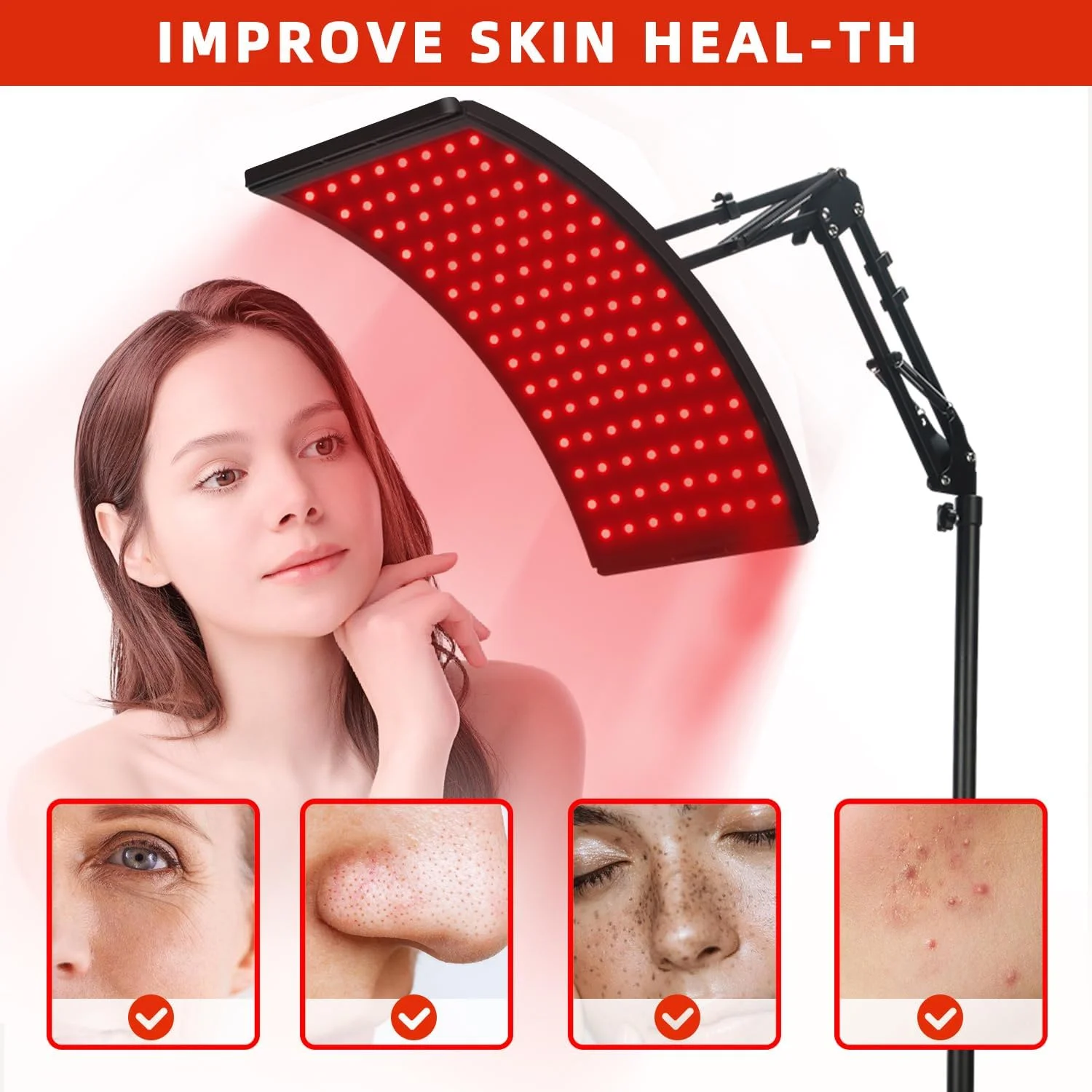
One of the most extensively researched and well-supported applications of RLT is in the field of dermatology and skin health . Multiple clinical trials and studies confirm its effectiveness in improving signs of skin aging, primarily through the stimulation of collagen and elastin production . A study using a 630 nm mask delivered 15.6 J/cm² over 12 weeks, resulting in a 38.3% reduction in crow’s feet wrinkles, a 23.6% increase in skin firmness, and a 47.7% increase in dermal density . Similarly, LED therapy at 660 nm was shown to reverse age-related changes by increasing type-1 procollagen levels by 31% while decreasing MMP-1 levels by 18% . These effects are attributed to the activation of fibroblasts via mitochondrial stimulation, which boosts the synthesis of extracellular matrix proteins essential for youthful skin structure . RLT is also an effective treatment for acne vulgaris, though combination therapy with blue light is often superior . Monotherapy with red light alone has been shown to significantly reduce counts of both inflammatory and non-inflammatory lesions by targeting porphyrins within the sebaceous glands and reducing inflammation . Inflammatory acne lesions were reduced by 77% after 12 weeks of combination blue-red LED therapy . Furthermore, RLT accelerates wound healing and reduces scarring. Clinical studies have demonstrated its ability to speed re-epithelialization in third-degree burns in mice, improve closure of full-thickness rat skin wounds, and accelerate the healing of chronic venous leg ulcers and diabetic foot ulcers in humans . This is achieved by promoting angiogenesis, enhancing fibroblast migration, and activating TGF-β1 signaling pathways crucial for tissue repair .
For musculoskeletal conditions, particularly pain management, RLT offers a non-pharmacological alternative with a strong evidence base. The U.S. Food and Drug Administration (FDA) has cleared numerous devices for the temporary relief of minor muscle and joint pain, stiffness, and muscle spasms, underscoring its recognized safety and efficacy for this indication . Systematic reviews and meta-analyses corroborate these findings, showing that PBM significantly reduces pain and improves physical functioning in patients with knee osteoarthritis . Another review found that LLLT effectively reduced pain and morning stiffness in patients with rheumatoid arthritis . Its analgesic effects are also documented in fibromyalgia, temporomandibular disorders, neck pain, and carpal tunnel syndrome . The mechanism is multi-faceted, involving the reduction of pro-inflammatory mediators, modulation of nerve conduction, and promotion of tissue repair . In post-surgical settings, RLT has been shown to reduce pain and swelling, leading to faster recovery times compared to placebo . However, the evidence for its application in low back pain is more mixed; one systematic review concluded that RLT does not significantly reduce pain or disability, highlighting the need for further research to establish optimal protocols for this specific condition .
Emerging areas of research show considerable promise for RLT in treating neurological and mental health conditions, although the evidence is still developing and requires larger-scale human trials. Transcranial PBM, where NIR light is applied to the scalp, has demonstrated antidepressant and anxiolytic effects . A meta-analysis rated PBMT as strongly recommended for moderate major depressive disorder and recommended for anxiety disorders, with transcranial application showing significant improvement in symptoms . The proposed mechanism involves the absorption of light by neurons, leading to increased cerebral blood flow, enhanced mitochondrial function, and reduced neuroinflammation . RLT also shows potential for neuroprotection and functional improvement in conditions like Alzheimer’s disease, Parkinson’s disease, and traumatic brain injury, likely by mitigating mitochondrial dysfunction and oxidative stress in neural tissues . For peripheral neuropathies, such as painful diabetic neuropathy, studies have shown that LLLT can significantly reduce pain, improve vibration perception thresholds, and enhance microcirculation, suggesting a role in promoting nerve regeneration and function . Additionally, RLT is gaining traction in sports medicine for its ability to enhance athletic performance and accelerate recovery. Pre-exercise application has been shown to reduce muscle fatigue and improve performance metrics in some studies, while post-exercise treatment effectively decreases markers of muscle damage like creatine kinase (CK) and reduces delayed onset muscle soreness (DOMS) . However, it is important to note that whole-body PBM has not been shown to improve exercise performance or recovery, indicating that localized application is more relevant for athletes . RLT is also being explored for its potential to support hair growth, with studies demonstrating a significant increase in hair count and density in cases of androgenetic alopecia when treated with specific red light wavelengths .
Despite the promising results in several areas, it is equally important to acknowledge the applications for which there is limited or no credible scientific evidence. Several sources explicitly state that RLT lacks sufficient proof for conditions such as weight loss, spider veins (telangiectasias), and seasonal affective disorder (SAD) . For SAD, bright light therapy using white light (which contains blue light) has been shown to be effective, but the evidence for red light specifically is lacking . Similarly, while some marketing materials may suggest RLT aids in weight loss, a 2020 randomized pilot study found no significant effect, indicating this claim is unsubstantiated . This discrepancy underscores the necessity for consumers and practitioners to critically evaluate claims and rely on peer-reviewed clinical data rather than anecdotal reports or promotional material. The table below summarizes the evidence status for various RLT applications based on the provided sources.
| Application Area | Condition / Goal | Strength of Evidence | Key Supporting Findings (Simplified & Readable) |
|---|---|---|---|
| Dermatology & Skin Health | Skin Rejuvenation (Anti-aging) | High | Reduced wrinkles, improved collagen and elastin production, enhanced firmness and elasticity. |
| Acne Vulgaris | Moderate (Stronger Combined With Blue Light) | Reduced acne lesions, decreased sebum, anti-inflammatory effects. | |
| Wound Healing | High | Faster tissue repair, enhanced cell regeneration, reduced healing time for burns & ulcers. | |
| Psoriasis | Moderate | Reduced severity of plaques and inflammation. | |
| Musculoskeletal System | Muscle & Joint Pain Relief | High | Reduced pain, stiffness, spasms, improved mobility including osteoarthritis and fibromyalgia. |
| Post-Exercise Recovery | Moderate | Decreased muscle soreness (DOMS) and lower CK levels post-training. | |
| Low Back Pain | Limited / Conflicting | Some studies show benefits, others show no significant improvement. | |
| Neurology & Mental Health | Depression & Anxiety | Emerging / Moderate | Meta-analysis shows promising results, especially with transcranial delivery. |
| Peripheral Neuropathy | Emerging | Reduced neuropathic pain, improved nerve sensation, enhanced microcirculation. | |
| Brain Injury Recovery | Emerging | Improved brain function in early studies; neuroprotective effects. | |
| Other Applications | Hair Growth | Emerging | Increased hair density in androgenetic alopecia. |
| Weight Loss | None | No meaningful impact demonstrated in clinical research. | |
| Seasonal Affective Disorder (SAD) | Not Supported | Bright white/blue light works for SAD—not red light. |
Ultimately, the efficacy of RLT is highly dependent on the correct selection of parameters—including wavelength, dosage, and treatment protocol—for a specific condition. The growing body of research, with over 4,000 peer-reviewed articles cited in one source, attests to its legitimacy as a therapeutic tool, but it also highlights the need for continued investigation to standardize protocols and expand its validated applications . Consumers should seek out devices that target clinically studied wavelengths and adhere to dosing guidelines supported by scientific literature to maximize their chances of achieving positive outcomes.


Critical Safety Profile: Contraindications and Precautions
While Red Light Therapy is generally regarded as safe and non-invasive, particularly because it does not emit harmful UV radiation, it is not universally suitable for everyone . A comprehensive understanding of its safety profile is paramount for responsible use, encompassing absolute contraindications where use is strictly prohibited, relative contraindications where caution and medical consultation are required, and general precautions to minimize potential risks. The theoretical risk associated with stimulating cellular activity necessitates careful consideration of an individual’s health status, medical history, and concurrent medication use.
The most serious and frequently cited absolute contraindication for RLT is the presence of active cancer or malignant tumors . The primary concern stems from the therapy’s mechanism of action: by enhancing mitochondrial function and increasing ATP production, RLT could potentially accelerate the proliferation of cancer cells . Although some preclinical mouse studies have suggested a link between red light phototherapy and stimulated tumor progression, the evidence in humans remains inconclusive and conflicting . Despite this uncertainty, the consensus among regulatory bodies and medical professionals is clear: RLT should not be applied directly over known malignancies or suspicious lesions without explicit approval from an oncologist . This precaution extends to individuals with a personal or family history of skin cancer, such as melanoma or basal cell carcinoma . Even though RLT cannot cause cancer itself, the theoretical risk of stimulating existing cancerous cells is considered too significant to ignore .
Another category of absolute contraindications involves individuals with severe photosensitivity disorders. People with systemic lupus erythematosus (SLE) often experience abnormal reactions to both UV and visible light, which can trigger skin lesions or systemic flares . One study reported that 93% of lupus patients reacted abnormally to visible light exposure . Similarly, patients with cutaneous porphyria may suffer painful skin reactions upon exposure to visible light . For these individuals, RLT poses a direct risk of exacerbating their condition and should be avoided . Direct exposure of the eyes to the intense light from RLT panels is another absolute contraindication . While LEDs are generally safer than lasers, the retina is highly sensitive, and unprotected exposure can lead to thermal or photochemical injury, potentially causing permanent blind spots (scotomas) . Therefore, protective goggles designed to filter the specific wavelengths being used are mandatory during any treatment, especially facial sessions . Furthermore, flickering or pulsed light from low-quality devices may pose a seizure risk for individuals with photosensitive epilepsy, even if the flicker is invisible to the naked eye . Patients with epilepsy should only use high-quality, flicker-free devices approved by their neurologist .
Relative contraindications represent situations where RLT may be used with extreme caution or only after consulting a healthcare provider. Pregnancy and breastfeeding are prominent examples. Due to insufficient long-term safety data regarding the effects of RLT on fetal development, manufacturers and medical experts generally advise against its use, particularly on the abdomen or lower back . While some small-scale studies suggest potential benefits for conditions like preeclampsia or postpartum depression, these findings are preliminary, and caution is the prevailing recommendation until more robust research is available . During lactation, use should be avoided unless approved by a healthcare provider . Individuals with hyperthyroidism should avoid applying RLT directly to the neck and upper chest area, as the light may stimulate thyroid activity and worsen symptoms . Those with a history of facial fillers or Botox injections should consult a dermatologist before starting RLT, as the heat generated by the therapy could potentially affect these products .
The use of photosensitizing medications is a critical area of concern, as it affects a large portion of the population. Many common drugs, including certain antibiotics (tetracycline, doxycycline), diuretics, lithium, antipsychotics, and isotretinoin (Accutane), can increase the skin’s sensitivity to light . Using RLT while taking these medications can lead to an amplified risk of adverse reactions, such as redness, inflammation, rashes, or even burns, even with low doses of visible light . A German and Austrian database study found that approximately 49% of dispensed medications were known photosensitizers . Therefore, it is essential for users to review all their medications with a doctor before beginning RLT treatment . Other relative precautions include postponing treatment during a fever or acute infection, as the added thermal energy from the light might slightly increase body temperature and potentially worsen symptoms . RLT should also be avoided on recently healed cuts, burns, or areas with active skin infections, as stimulating cellular activity on compromised skin could delay healing or spread the infection . Finally, individuals with tattoos, especially those with red or yellow pigments, may experience fading or uneven color changes with repeated RLT exposure, as the ink can absorb the light . Shielding these areas during treatment is advisable .
| Category | Specific Condition / Situation | Why to Avoid / Safety Rationale |
|---|---|---|
| Absolute Contraindications | Active Cancer or Malignant Tumors | Possible theoretical risk of stimulating abnormal cell growth; avoid applying directly over tumor sites unless approved by an oncologist. |
| Photosensitivity Disorders (e.g., Lupus, Porphyria) | Bright or visible light may trigger skin reactions, lesions, or systemic flare-ups. | |
| Direct Eye Exposure (without protection) | Risk of retinal damage, burns, or blind spots; always use eye protection. | |
| Photosensitive Epilepsy | Flickering or pulsed light from poor-quality devices may provoke seizures; use flicker-free devices only with medical supervision. | |
| Relative Contraindications | Pregnancy & Breastfeeding | Insufficient safety research; avoid abdominal or chest treatment without medical approval. |
| Hyperthyroidism | Red light around the neck may stimulate the thyroid gland and worsen symptoms. | |
| Taking Photosensitizing Medications | Certain antibiotics, acne medications (e.g., Accutane), and supplements may increase light sensitivity and risk of burns; consult a physician. | |
| Recent Burns, Open Wounds, or Active Infections | Increased cellular activity may slow healing or spread infection; wait until fully healed. | |
| Fever or Acute Infection | Heat and stimulation may worsen symptoms or prolong illness; postpone treatment. | |
| History of Facial Fillers or Botox | Thermal effects may impact injectable stability; consult your injector or dermatologist. | |
| Tattoos (especially with red/yellow pigments) | Ink may overheat, fade, or cause discomfort; shielding may be needed. |
Adherence to manufacturer instructions, performing patch tests on a small area of skin before full treatment, and discontinuing use if any irritation occurs are fundamental safety practices . Overuse of RLT, defined as exceeding recommended session durations, can lead to diminishing returns or side effects like mild thermal effects, such as transient redness or warmth . Following a biphasic dose-response curve, where too much light can be counterproductive, is key to avoiding negative outcomes . Ultimately, when in doubt, seeking guidance from a qualified healthcare professional is the safest course of action to ensure RLT is used appropriately and effectively for individual needs.
Navigating the Regulatory Landscape: FDA Clearance and Device Quality
In the rapidly expanding market for Red Light Therapy devices, navigating the regulatory landscape is a critical task for consumers seeking safe and effective products. The terms “FDA-approved” and “FDA-cleared” are often used interchangeably in marketing, but they carry distinct meanings that signify vastly different levels of regulatory scrutiny and assurance . Understanding this distinction is the first step toward making an informed purchasing decision and separating credible, science-backed technology from unsubstantiated claims. Furthermore, the marketing term “medical grade” is frequently employed, but its meaning can vary widely; true medical-grade devices are characterized by specific certifications, accurate specifications, and adherence to stringent manufacturing standards that ensure predictable and reliable therapeutic outcomes .
The United States Food and Drug Administration (FDA) classifies medical devices into three risk-based categories: Class I (low-risk), Class II (moderate-risk), and Class III (high-risk) . Most Red Light Therapy devices fall into the Class II category because they are non-invasive and intended for moderate-risk applications such as treating acne, reducing wrinkles, or managing pain . Devices in this category are subject to the FDA’s 510(k) clearance process, not full FDA approval . FDA approval is reserved for Class III devices, which are typically implantable or life-sustaining, and requires extensive clinical trials to prove both safety and effectiveness . In contrast, 510(k) clearance means that the manufacturer has demonstrated that their new device is “substantially equivalent” to a legally marketed predicate device—that is, a similar device already on the market . To obtain 510(k) clearance, a company must submit technical and performance data to the FDA, but they are not always required to conduct new human clinical trials . The FDA reviews this submission to ensure the device meets basic safety requirements and that its intended use claims are reasonable and substantiated . Therefore, when a device is “FDA-cleared,” it signifies that it has undergone regulatory evaluation for safety and intended use, but it does not necessarily guarantee that every single claim made for the device has been proven in independent clinical trials .
Misleading marketing terminology is a significant issue in the industry. Advertisements claiming a device is “FDA-approved” are almost certainly false, as this term is reserved for the highest-risk Class III devices . Another common point of confusion is “FDA-registered.” Registration simply means that the manufacturer has paid a fee to list its facility and devices with the FDA; it does not involve any substantive review of the product’s safety or efficacy . The FDA explicitly states that registration does not constitute approval of the device or its manufacturing practices . To verify a legitimate claim of FDA clearance, a consumer should look for the specific term “FDA-cleared” alongside a 510(k) number on the product packaging or website . This number can then be searched in the official FDA 510(k) Premarket Notification Database to confirm the device’s clearance and the specific indications it has been cleared for, such as “temporary relief of minor muscle and joint pain” or “wound healing” . Verifying this information is a crucial due diligence step, as it ensures the product has met minimum federal standards for safety and labeling .
True “medical-grade” devices go beyond simple regulatory compliance and are distinguished by several key features that ensure clinical reliability and performance. First and foremost, they possess formal certifications from recognized bodies. In addition to FDA 510(k) clearance, reputable manufacturers often hold ISO 13485 certification, an international standard for a quality management system specifically for medical devices . This certification indicates that the company adheres to strict controls over design, manufacturing, testing, and distribution . Second, medical-grade devices provide accurate and verifiable specifications for their output. They publish the irradiance (power density) of their devices in milliwatts per square centimeter (mW/cm²) at a specified measurement distance, which is a critical parameter for calculating a precise therapeutic dose . Many consumer-grade devices fail to disclose this information or advertise misleadingly high input wattage instead of calibrated therapeutic output . Third, these devices utilize clinically validated wavelengths, such as 630nm, 660nm, and 850nm, which have been identified in peer-reviewed research as the “sweet spot” for therapeutic effects . Fourth, they are built for durability and feature professional-grade components, including auto shut-off timers, robust cooling systems, and durable construction suitable for high-throughput clinical environments .
When evaluating devices, consumers should be wary of marketing tactics that obscure the true nature of the product. Claims that a device is manufactured in an “FDA-registered facility” or uses “FDA-cleared methods” are often misleading, as these phrases relate to administrative registration and not product-specific clearance . Similarly, using solar meters—which are calibrated for sunlight and not specific light wavelengths—to measure irradiance is scientifically inaccurate and leads to inflated, unreliable readings . Independent testing by companies like Joovv revealed that competitor devices had advertised irradiance values nearly twice as high as their actual measured outputs . The table below outlines the key differences between a typical consumer-grade device and a true medical-grade device, providing a practical guide for consumers.

By prioritizing devices that are genuinely FDA-cleared, hold relevant international certifications, and provide transparent, verifiable specifications, consumers can invest in technology that is not only safe but also more likely to deliver the desired therapeutic benefits. This approach moves beyond marketing hype and aligns purchasing decisions with the principles of evidence-based practice and regulatory oversight.
Practical Implementation: Dosage, Protocols, and Best Practices
Successfully integrating Red Light Therapy into a wellness routine requires a nuanced understanding of its practical application, centered on the principles of proper dosage, consistent protocol adherence, and diligent safety practices. The effectiveness of photobiomodulation is not merely a matter of turning on a device; it is governed by a set of precise parameters that determine whether the treatment will be therapeutic, ineffective, or even counterproductive. Central to this is the concept of the biphasic dose response, also known as the Arndt-Schulz law, which dictates that a biological system responds optimally to a moderate stimulus but is inhibited by a very strong one . This “Goldilocks principle” is the foundation for all effective RLT protocols, emphasizing that finding the right balance of energy is critical for achieving desired outcomes without inducing adverse effects .
The core of any RLT protocol is the calculation of the therapeutic dose, which is determined by three key variables: Irradiance, Time, and Distance . Irradiance, measured in milliwatts per square centimeter (mW/cm²), represents the power of the light delivered to the target tissue . It is a crucial metric because it determines the number of photons available for cellular absorption . Time refers to the duration of the exposure, typically measured in minutes . Distance is the space between the light source and the skin, which dramatically influences the final irradiance received due to the inverse square law . This law states that doubling the distance from the light source will quarter the irradiance, meaning that maintaining the correct distance is just as important as the device’s raw power output . The total energy delivered to the tissue, known as Energy Density or Fluence, is calculated using the formula: Energy(Joules)=Irradiance(W/cm2)×Area(cm2)×Time(seconds) . This value, expressed in Joules per square centimeter (J/cm²), is the most critical parameter for ensuring a standardized and reproducible dose .
Based on extensive research, specific therapeutic windows for fluence have been established for different treatment goals, reinforcing the biphasic dose response principle. For superficial applications like skin rejuvenation, a fluence of 3-15 J/cm² is considered optimal . For deeper tissues such as muscles and joints, a higher fluence of 20-60 J/cm² is typically required to achieve therapeutic penetration . Exceeding these ranges, particularly going above 50 J/cm², can lead to diminishing returns, cellular inhibition, or even inflammatory responses, highlighting why “more powerful” is not always better . A progressive loading protocol is often recommended, where a user starts with a lower dose (e.g., 50% of the target dose) for the first two weeks to allow cells to adapt, before gradually increasing to the full therapeutic dose . This phased approach minimizes the risk of overstimulation and maximizes long-term efficacy .

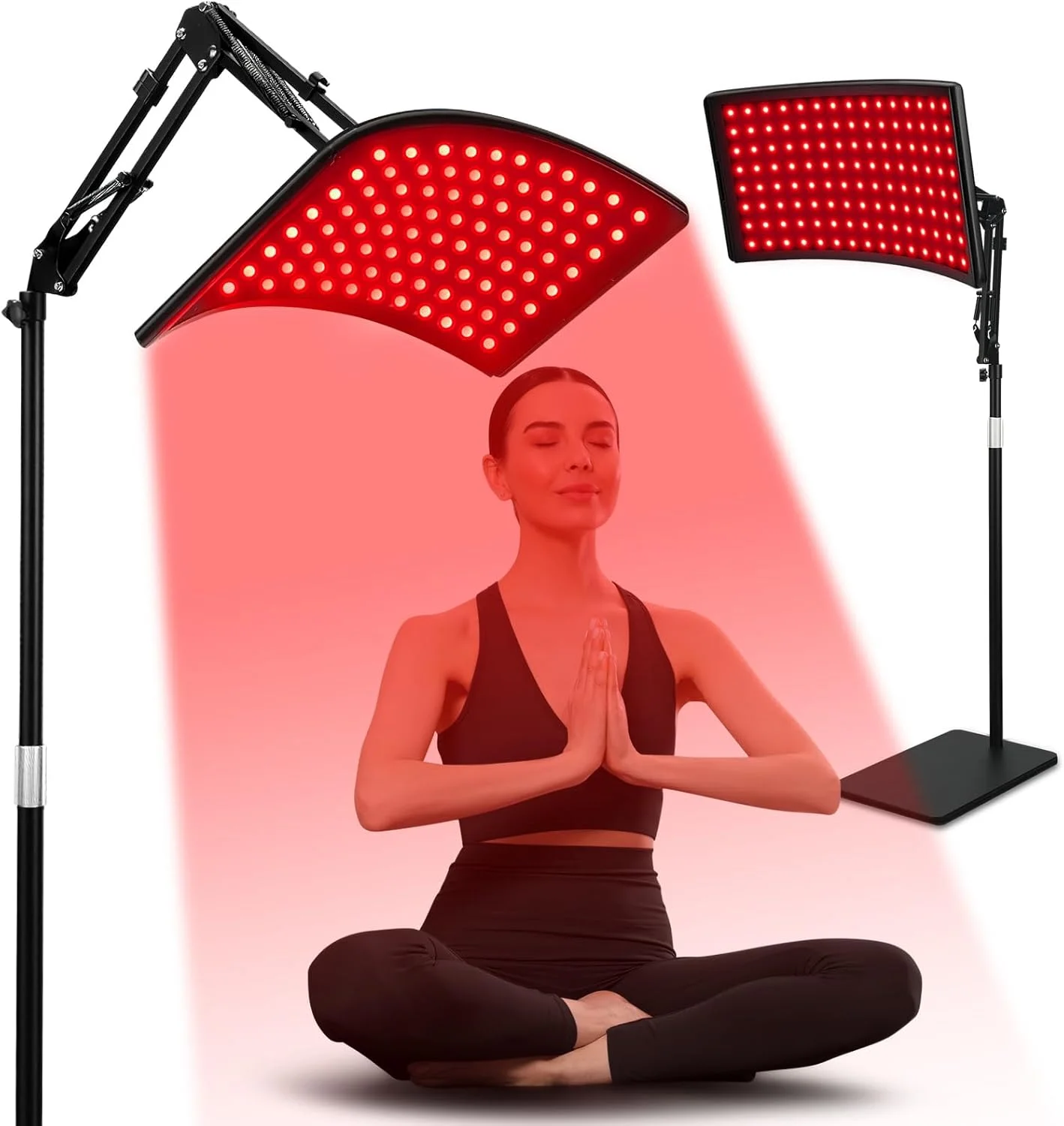
Selecting the appropriate device type is the next practical step, as different forms of RLT equipment are optimized for different treatment areas and goals . Full-body panels or beds are best suited for systemic effects, covering large areas of the body for issues like chronic pain or whole-body recovery . Face masks offer targeted, high-intensity treatment for the face, making them ideal for anti-aging and acne concerns, but their close proximity limits penetration to superficial layers . Handheld wands and spot devices provide precision for treating smaller, localized areas like elbows, knees, scars, or surgical incisions . Contoured wraps and sleeves are designed to fit around specific joints (knee, shoulder) or limbs, delivering consistent light to treat conditions like arthritis or tendonitis . The choice depends on the user’s primary objectives, budget, and the size of the treatment area .
Regardless of the device chosen, several best practices must be followed to ensure safety and optimize results. Before each session, the skin should be clean and free of creams, lotions, makeup, or sunscreen, as these substances can block or reflect light, preventing adequate photon penetration . Clothing should also be removed from the treatment area, as even thin fabrics can impede the light’s effectiveness . Protective eyewear is strongly recommended during any session, especially when treating the face, to shield the eyes from the intense light and prevent potential retinal damage . Consistency is arguably more important than intensity; regular, frequent sessions (typically 3-5 times per week) are necessary to achieve cumulative benefits, with noticeable results often appearing after several weeks of consistent use . Users should begin with shorter sessions and gradually increase the duration as tolerated, listening to their body’s response to avoid overexposure . Staying hydrated is also beneficial, as well-hydrated cells are more receptive to the light energy . After a session, applying hydrating serums or moisturizers can enhance ingredient absorption, and sun protection is advisable since cellular activation may temporarily increase skin sensitivity to UV damage . By meticulously following these protocols, users can harness the full potential of Red Light Therapy safely and effectively.
Historical Evolution and Future Directions of Light Therapy
The journey of light therapy from a scientific curiosity to a mainstream wellness and medical modality is a fascinating narrative of discovery, innovation, and persistent research. While modern Red Light Therapy (RLT) has gained widespread popularity in the last few decades, its conceptual roots extend back to the late 19th century, with pivotal advancements occurring throughout the 20th and 21st centuries . This historical evolution provides context for understanding the current state of the technology and illuminates the trajectory of future developments, which are poised to expand its applications and refine its precision.
The conceptual foundation for phototherapy was laid in 1879 with Thomas Edison’s patent for the incandescent lightbulb, which demonstrated the therapeutic potential of concentrated light . However, the first significant breakthrough in clinical light therapy came in the early 20th century when Danish physician Dr. Niels Finsen used concentrated electric light to successfully treat tuberculosis lesions on the faces of 804 patients, earning him a Nobel Prize in 1903 . This early success established the principle that specific wavelengths of light could induce beneficial biological changes. The theoretical groundwork for modern RLT was later expanded by Albert Einstein’s theory of stimulated emission, which paved the way for the invention of the laser decades later . The term “photobiomodulation” (PBM) was formally adopted in 2014 to replace older, less precise terms like “low-level laser therapy” (LLLT), reflecting a broader understanding of the therapy’s mechanisms that apply to both lasers and LEDs and acknowledging the biphasic dose response observed across different light sources .
A major catalyst for the advancement of RLT was its adoption by NASA in the 1990s. Researchers at NASA were investigating ways to grow plants in space and discovered that intense red LED technology was highly effective for this purpose . During their experiments, they observed that their own hands healed faster from minor cuts and scrapes, prompting further investigation into the medical applications of red light . This led to a series of studies focused on using RLT to address the health challenges faced by astronauts, such as muscle atrophy, slow wound healing, and bone density loss caused by prolonged exposure to weightlessness . The positive results from these space-related investigations propelled RLT from a niche laboratory technique to a subject of serious clinical research, paving the way for its eventual use in dermatology, physical therapy, and aesthetics . The pioneering work of Endre Mester in the 1960s, who discovered that low-level laser light promoted wound healing and hair regrowth in rats, further solidified the scientific basis for the therapy .
As the technology became more accessible, it transitioned from specialized clinical settings to consumer-facing products. Today, the landscape includes a vast array of devices, from large, powerful panels used in professional clinics to compact, affordable masks and handheld wands for home use . This democratization of access has fueled widespread interest but has also introduced challenges related to product quality, regulatory oversight, and the proliferation of unsubstantiated marketing claims . The future direction of light therapy is moving toward greater sophistication and personalization. Innovations in device design now include flat-top beam handpieces that provide more uniform power density across a treatment area, enhancing the homogeneity of cellular stimulation . The integration of pulsing frequencies (e.g., 10-40 Hz) is being explored to enhance cellular signaling while preventing thermal buildup, offering a more nuanced way to modulate biological responses .
Future research is expected to focus on standardizing treatment protocols to overcome the inconsistencies that have hampered progress in the past . Large-scale, multicentric clinical trials are needed to validate efficacy across diverse populations and to establish universal guidelines for parameters like wavelength, power density, and fluence . The development of wearable and portable PBM devices promises to enable continuous or more frequent treatments, potentially unlocking new therapeutic avenues for chronic conditions . Combination therapies are another exciting frontier, where RLT is used in conjunction with other modalities like platelet-rich plasma (PRP), topical growth factors, or stem cell therapy to amplify regenerative effects . For example, RLT has been shown to increase the permeability of cell membranes, potentially enhancing the uptake and efficacy of topically applied agents .
In conclusion, the path of Red Light Therapy from its earliest discoveries to its current multifaceted applications reflects a remarkable convergence of physics, biology, and engineering. While the core principle of mitochondrial stimulation remains unchanged, the technology has evolved from simple bulbs to sophisticated, wavelength-specific LED arrays capable of precise dosing. The future of photobiomodulation lies in harnessing this technological advancement to translate promising preclinical findings into robust, evidence-based clinical practice. As researchers continue to unravel the complex molecular signaling pathways activated by light, and as device manufacturers prioritize accuracy and transparency, RLT is poised to become an increasingly integral component of personalized medicine and preventative health care.
BUY ON AMAZON : Red Light Therapy
Frequently Asked Questions
1. What is Red Light Therapy and how does it work?
Red Light Therapy (RLT), also known as photobiomodulation, uses specific wavelengths of red and near-infrared light (630–850 nm) to stimulate mitochondria in your cells. This boosts ATP (cellular energy) production, reduces inflammation, and accelerates healing—without UV rays or heat damage.
2. What are the proven benefits of Red Light Therapy?
Clinically supported benefits include reduced wrinkles and acne, faster wound healing, relief from joint and muscle pain, improved hair growth, and enhanced post-workout recovery. Emerging research also shows promise for mood support and nerve repair.
3. Is Red Light Therapy safe for daily use?
Yes, when used correctly. RLT is non-invasive, UV-free, and FDA-cleared for minor pain and skin treatments. Always follow recommended dosages (typically 3–5 times per week), avoid overuse, wear eye protection, and consult a doctor if you’re pregnant, have cancer, or take photosensitizing medications.
4. How do I choose the best Red Light Therapy device?
Look for FDA-cleared devices that specify clinically effective wavelengths (660 nm red + 850 nm NIR), publish real irradiance (mW/cm²), and carry ISO 13485 certification. Avoid products that only list “wattage” or make unproven claims like “weight loss.”
5. How long does it take to see results from Red Light Therapy?
Most users notice improvements in 2–8 weeks with consistent use. Skin rejuvenation typically shows in 4–6 weeks, while pain relief or muscle recovery may be felt after just a few sessions. For best results, follow a regular protocol of 3–5 sessions per week.